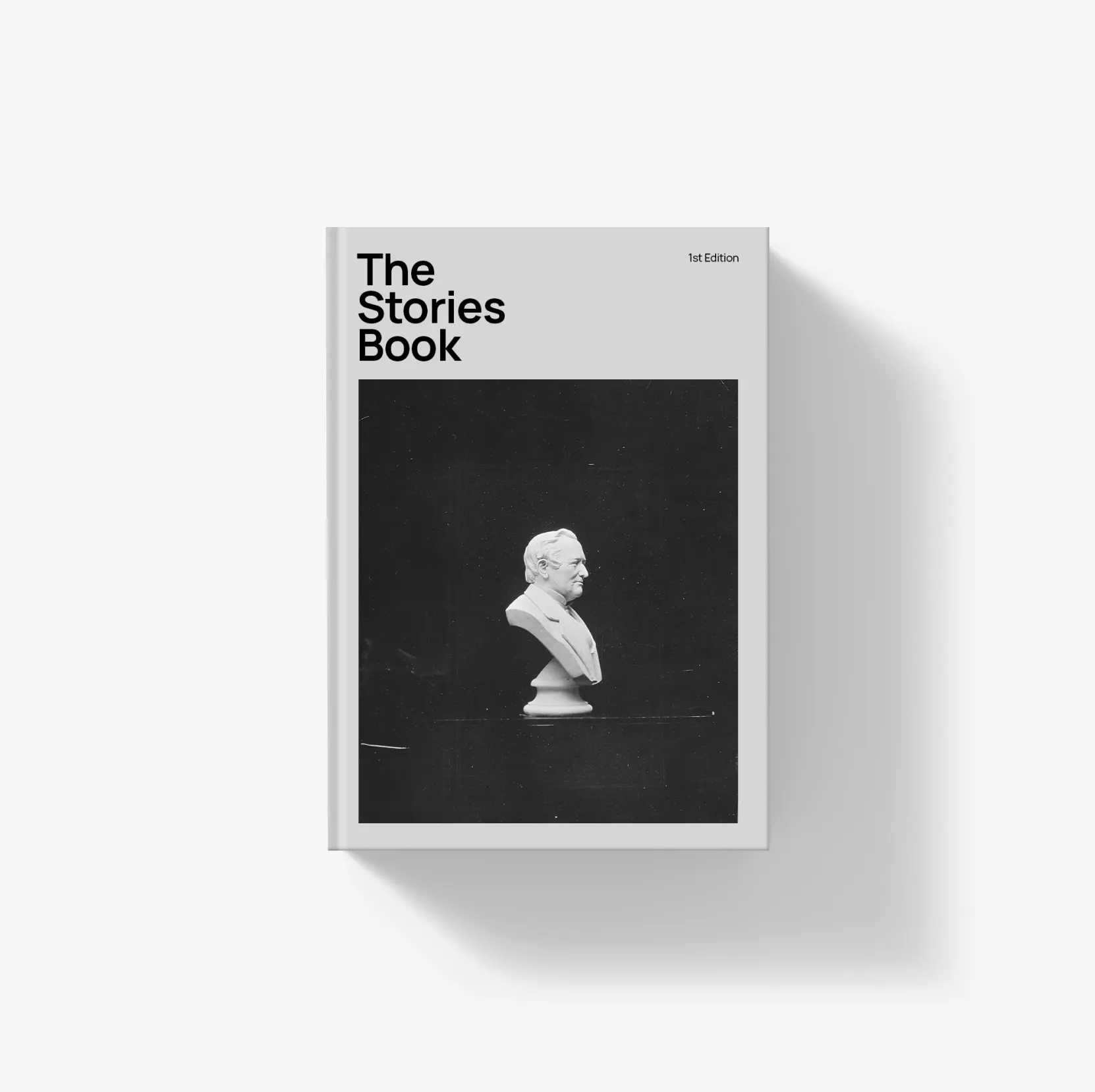
The Stories Book
A fine collection of moments in time featuring photographs from Louis Fleckenstein, Paul Strand and Asahachi Kōno.
Available for pre-order now.
Buy your copy of The Stories Book
Outside Europe? View international editions.
About the book
This exquisite compilation showcases a diverse array of photographs that capture the essence of different eras and cultures, reflecting the unique styles and perspectives of each artist. Fleckenstein’s evocative imagery, Strand’s groundbreaking modernist approach, and Kōno’s meticulous documentation of Japanese life come together in a harmonious blend that celebrates the art of photography. Each image in “The Stories Book” is accompanied by insightful commentary, providing historical context and revealing the stories behind the photographs. This collection is not only a visual feast but also a tribute to the power of photography to preserve and narrate the multifaceted experiences of humanity.
International editions
The Stories Book will be available from these international retailers.
Frequently Asked Questions
What is The Stories Book about?
This exquisite compilation showcases a diverse array of photographs that capture the essence of different eras and cultures, reflecting the unique styles and perspectives of each artist.
How much does The Stories Book cost?
This exquisite compilation showcases a diverse array of photographs that capture the essence of different eras and cultures, reflecting the unique styles and perspectives of each artist.
When will The Stories Book be released?
This exquisite compilation showcases a diverse array of photographs that capture the essence of different eras and cultures, reflecting the unique styles and perspectives of each artist.
Are signed copies available?
This exquisite compilation showcases a diverse array of photographs that capture the essence of different eras and cultures, reflecting the unique styles and perspectives of each artist.